ADHD brain-training mobile application
Propel
A Flutter brain-training application for adults with ADHD, built around personalized daily plans, short cognitive games, adaptive difficulty, and visible progress.
- Role
- Flutter Developer
- Focus
- Flutter feature development, Game-focused mobile UI, Cross-platform product delivery
- Platform
- Flutter, Dart, iOS, iPadOS, Android
Public product views
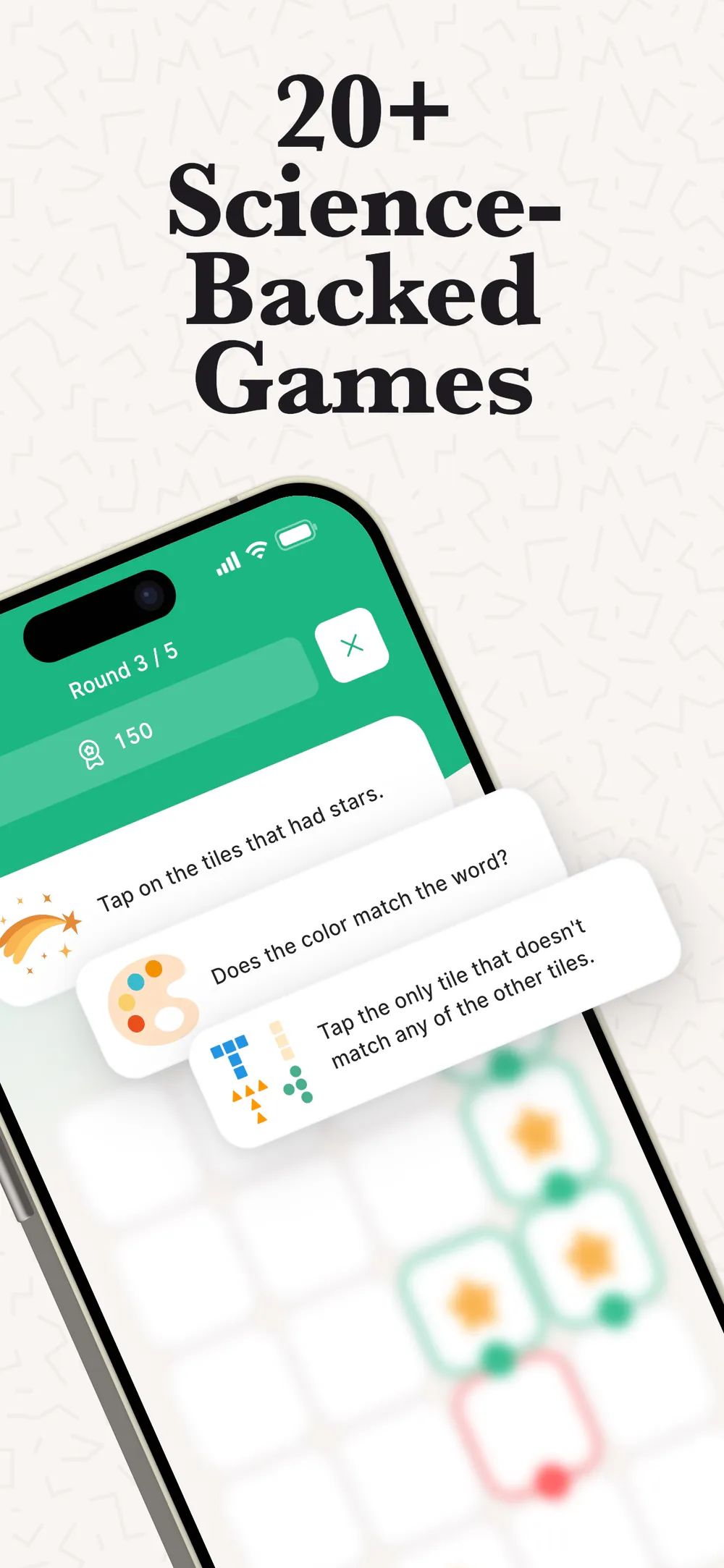
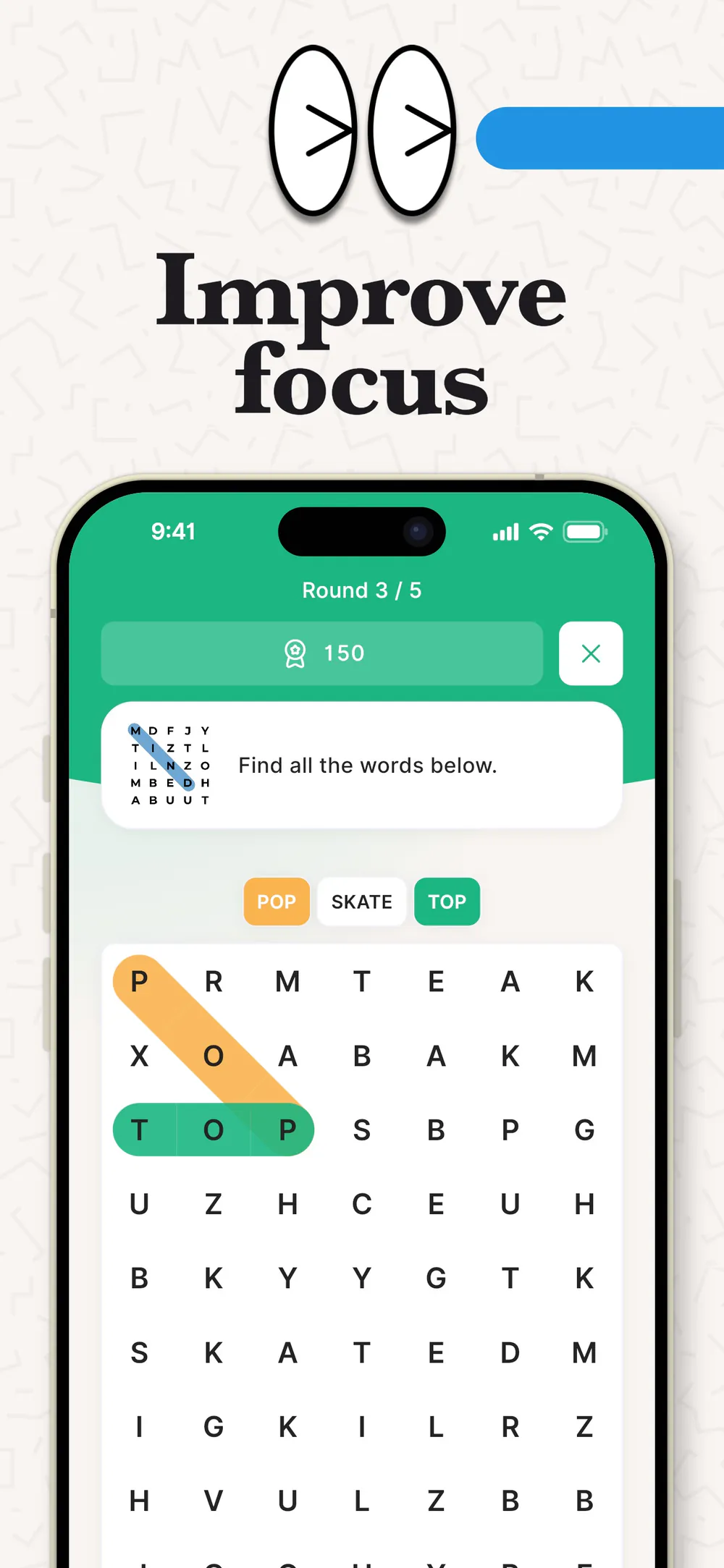
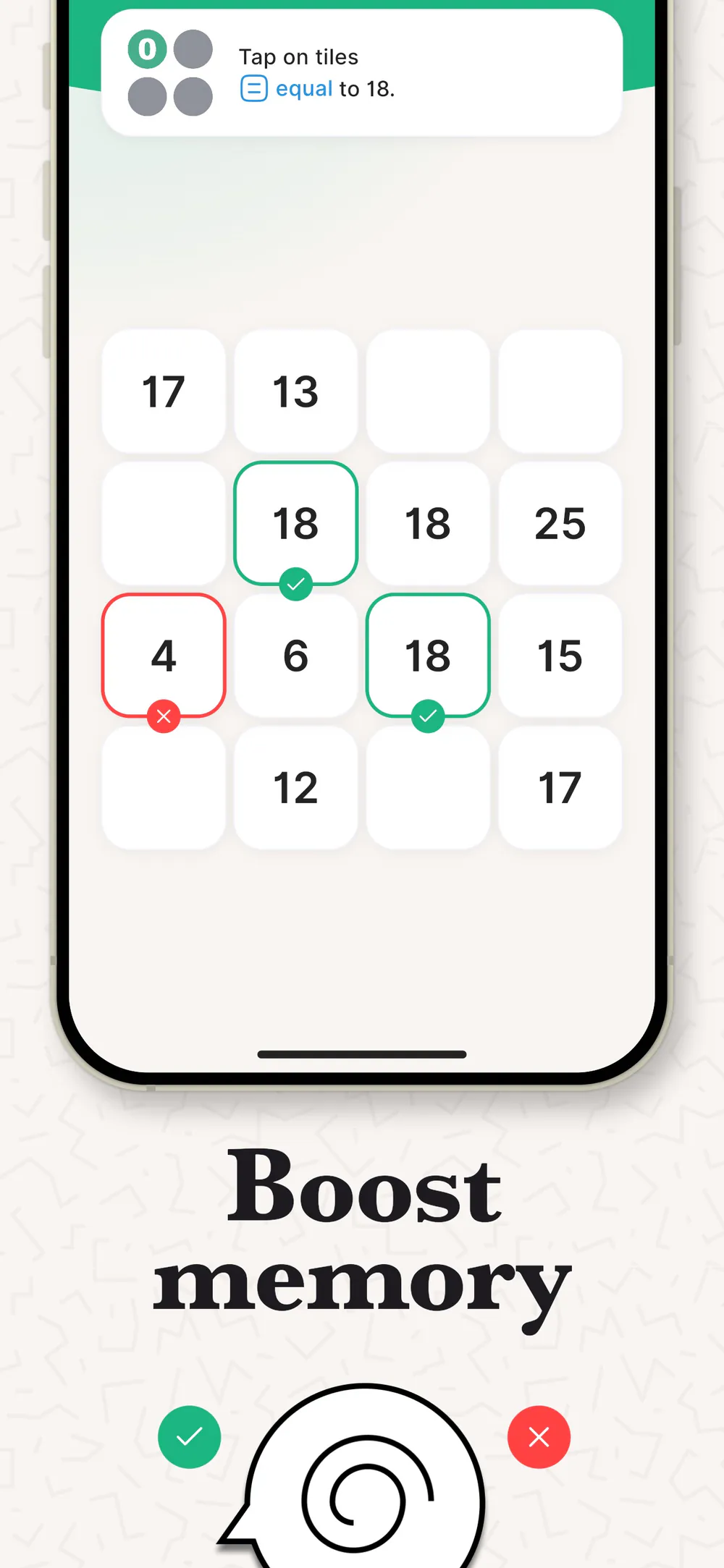
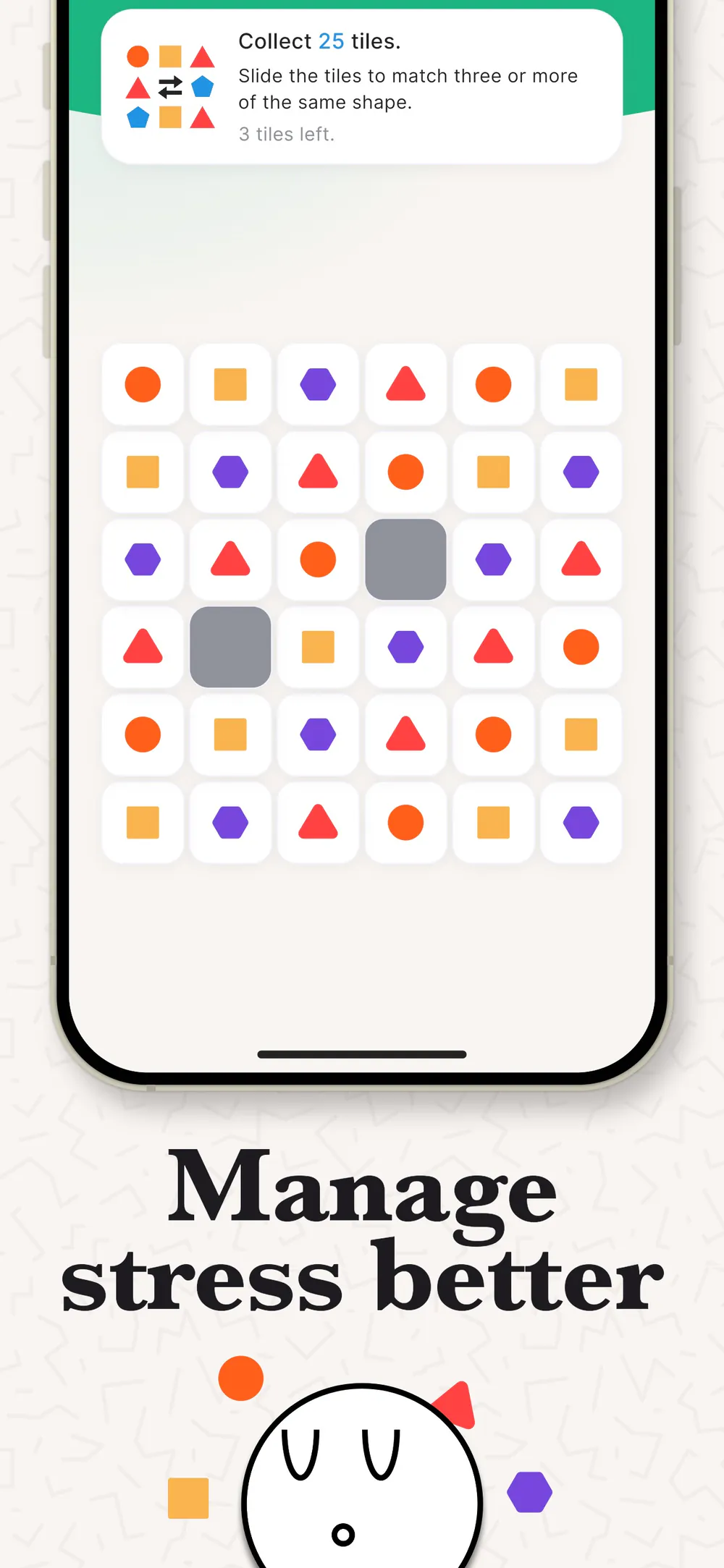
Short games built around specific goals
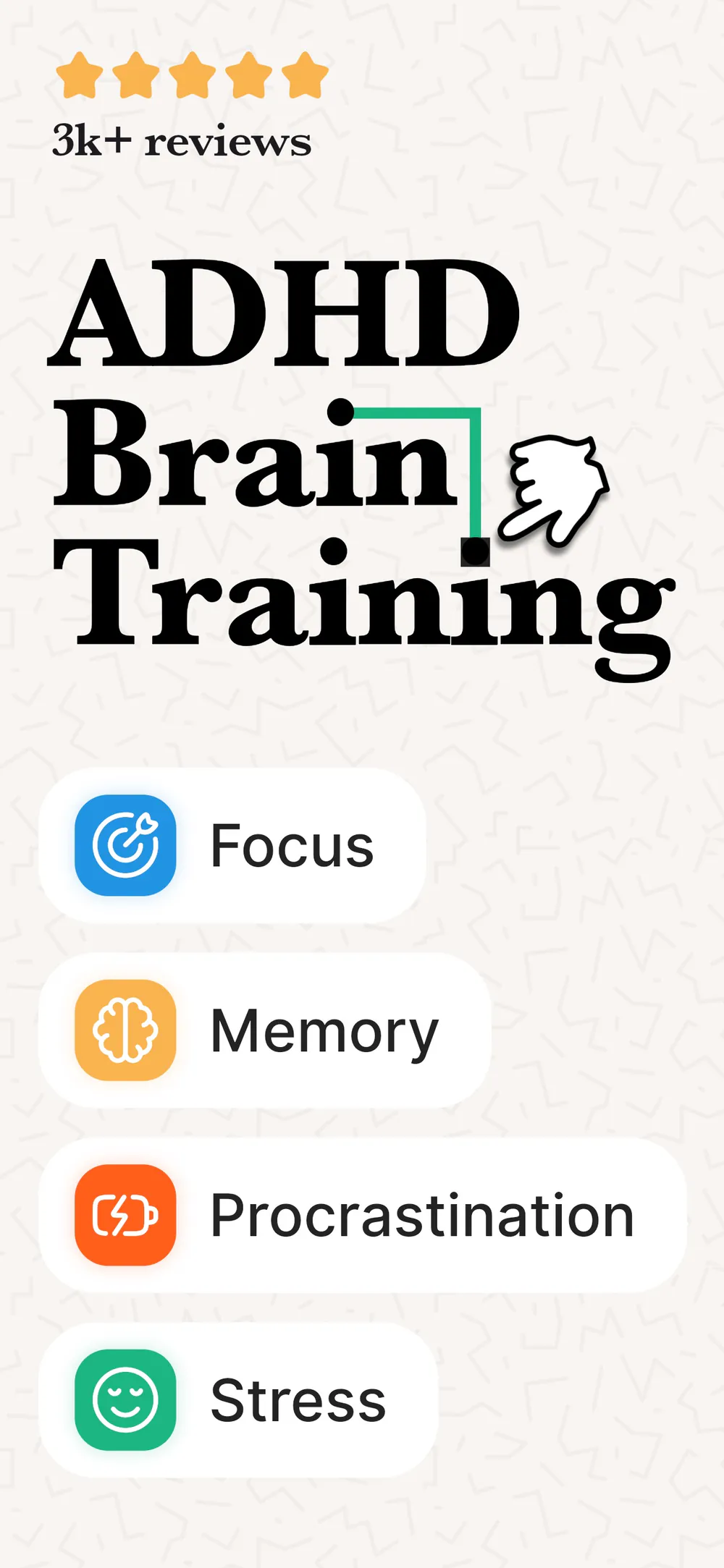
Selected public screens showing the cognitive focus areas, game variety, and interaction patterns used across focus, memory, and stress exercises.
Challenge
What needed to be made clear
Translate cognitive training for adults with ADHD into short, understandable game interactions that remain engaging, accessible, and easy to return to each day.
Solution
A structure built around change
Build a personalized daily plan from the user’s goals, connect each game to a clear cognitive area, adapt challenge over time, and provide immediate feedback without creating unnecessary pressure.
Product decisions
Product decisions reflected in the Flutter experience
- Start with the user’s goals and self-assessment rather than giving every person the same training plan.
- Keep individual games short enough to fit a daily routine and available without a network connection.
- Connect each interaction to a specific area such as focus, memory, procrastination, stress, impulsivity, or attention to detail.
- Use adaptive difficulty, immediate feedback, streaks, and achievements to make progress visible without adding guilt when a routine is interrupted.
- Support accessible game interactions through sufficient contrast and differentiation that does not depend on color alone.
Product context
Propel is a brain-training application designed for adults with ADHD. It uses short games to support goals related to focus, working memory, procrastination, stress, impulsivity, and attention to detail.
The public product describes its games as co-designed with psychologists and structured around everyday cognitive challenges. The goal is not to make users fit a generic training model, but to create a daily plan around what they want to improve.
My contribution
I worked on the Flutter application and the delivery of its game-focused mobile experience. My contribution centered on implementing product flows that connect onboarding, personalized training, interactive games, immediate feedback, and progress into one coherent application.
Because this was client work, the case study focuses on the public product and my Flutter responsibilities rather than private source code, internal game logic, analytics, or subscription infrastructure.
Personalized daily training
The onboarding experience gathers goals and self-assessment context before building a personalized daily workout. This gives the game selection a clear purpose and avoids presenting the full library without direction.
Daily plans select bite-sized exercises around the user’s goals and pace. Difficulty adapts as the user improves, while offline access keeps short training sessions available when connectivity is limited.
Game interactions at mobile scale
The product brings several interaction models into the same Flutter experience, including visual search, memory matching, response inhibition, categorization, timed attention, and pattern-based tasks.
Each game needs concise instructions, responsive touch input, visible timing and score states, immediate answer feedback, and a reliable transition between rounds. Those shared expectations keep varied exercises understandable without making them feel identical.
Progress without unnecessary pressure
Progress is connected to the cognitive areas selected during onboarding. Streaks, badges, scores, and goal-level development make regular activity visible while the product keeps each individual session short.
Recent public releases also include streak freezes, allowing an interrupted routine to continue without discarding previously built momentum.
Accessible mobile delivery
Propel supports larger text, a dark interface, sufficient contrast, and game differentiation that does not rely on color alone. These considerations are especially important when core interactions use shapes, words, patterns, and timed decisions.
The Flutter product is publicly available for iOS, iPadOS, and Android, with layouts and interactions adapted across mobile and larger tablet screens.